Masterminding Autonomous Logistics
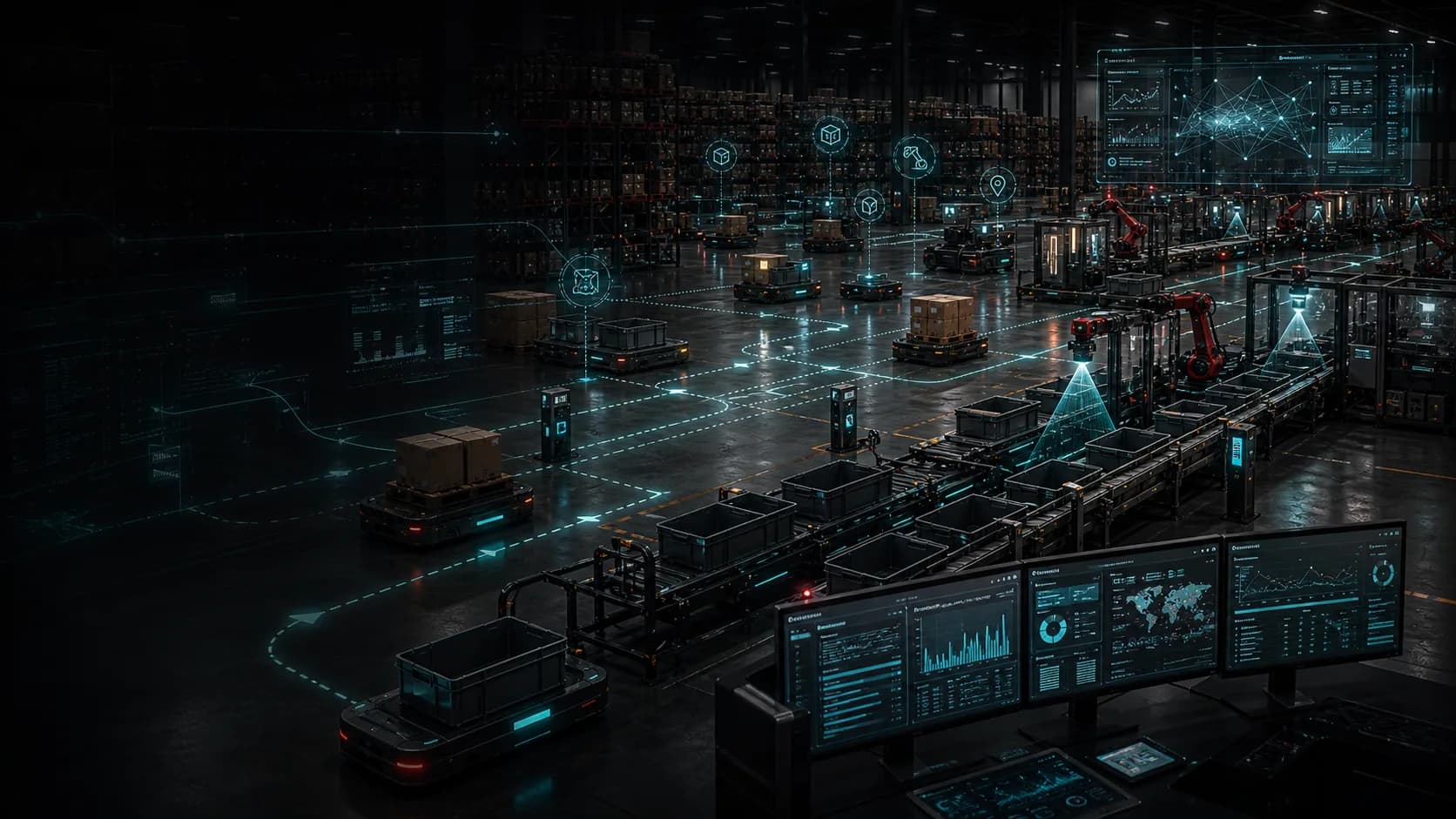
In a high-tech warehouse or manufacturing plant, having a single robot is an experiment; having a fleet is a strategy. AGV Fleet Coordination is the technology that ensures dozens of Automated Guided Vehicles work in harmony, maximizing throughput while eliminating downtime.
What is AGV Fleet Coordination?
It is the centralized management of multiple autonomous vehicles to ensure they function as a cohesive unit. A fleet management system acts as the "brain," dictating movements, tasks, and safety protocols for every robot within the facility.
Core Pillars of Effective Fleet Coordination
1. Traffic Control & Collision Avoidance
Managing a multi-robot environment requires complex algorithms. The coordination system manages intersections and right-of-way in real-time, preventing "gridlocks" and ensuring that robots don't obstruct one another or human pathways.
2. Intelligent Task Allocation
Efficiency depends on sending the right robot to the right task. The system evaluates each AGV's proximity, battery status, and current workload to assign missions dynamically, ensuring no vehicle is idle and no task is delayed.
3. Real-Time Path Optimization
A smart fleet doesn't just follow a line. It calculates the fastest route based on current floor conditions. If a production aisle is blocked, the fleet manager reroutes the AGVs instantly to maintain steady material flow.
4. Smart Energy Management
Automated charging ensures 24/7 operation. The system predicts when an AGV needs a recharge and directs it to a station during low-demand periods, seamlessly swapping in a fully charged robot to take its place.
Why Integration Matters (VMS & WMS)
The true power of AGV coordination lies in its connectivity. By integrating with Video Management Systems (VMS), the fleet gains an extra layer of visual intelligence to navigate around unpredictable human traffic. Meanwhile, WMS integration ensures that the robots are always aligned with the facility's real-time inventory and shipping priorities.