What is Intralogistics Optimization?

5 Ways to Boost Warehouse Efficiency
In today’s fast-paced commercial world, logistics is often associated only with transportation. However, the true key to operational success lies in the movement within your facility. Intralogistics optimization has become one of the most critical links in modern supply chain management. But what exactly does it mean, and what can it bring to your business?
What is Intralogistics?
Intralogistics refers to the entire flow of materials and information within the boundaries of a production plant or distribution center. Every step—from receiving goods and storage to picking processes and packaging—is a core part of intralogistics.
Why is Intralogistics Optimization Important?
As businesses grow, internal warehouse complexity increases. Intralogistics optimization transforms this chaos into a systematic flow, providing several key advantages:
Reduced Operational Costs: Minimizing unnecessary movements and errors leads directly to lower costs.
Maximum Space Utilization: It ensures the highest efficiency in using your existing warehouse volume.
Faster Order Fulfillment: It boosts the "fast delivery" power required to compete in the e-commerce era.
Strategies for Successful Intralogistics Optimization
To improve your internal warehouse processes, consider these five fundamental areas:
1. WMS (Warehouse Management System) Integration
Digitalization is a must for smart warehouse management. WMS software enables error-free inventory tracking while planning your staff's routes in the most efficient way possible.
2. Warehouse Automation and Robotics
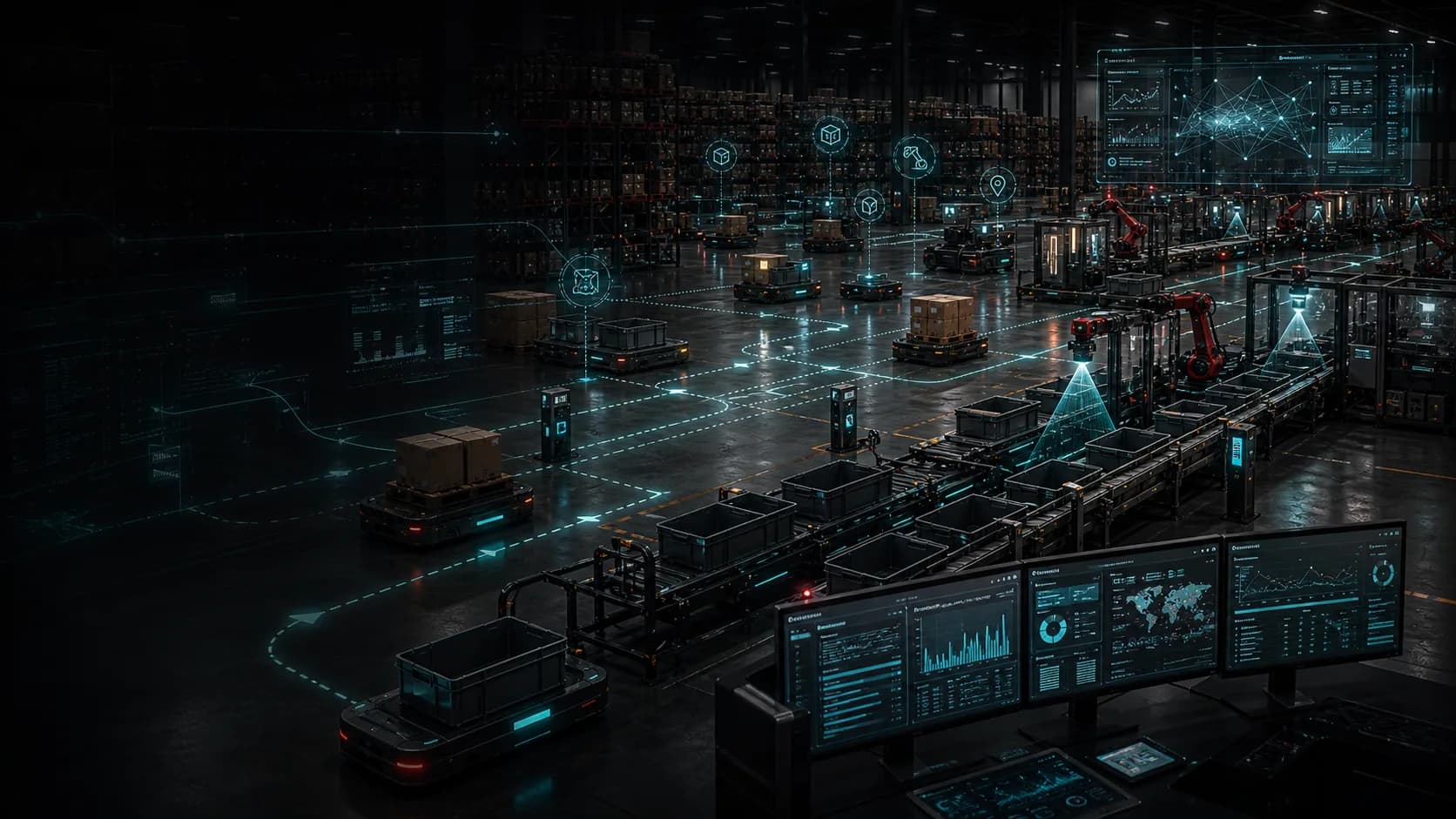
The best way to minimize human error in intralogistics is through automation solutions. Conveyor systems, AGVs (Automated Guided Vehicles), and AS/RS (Automated Storage and Retrieval Systems) standardize and accelerate workflows.
3. Inventory Slotting with ABC Analysis
Not every product sells at the same frequency. By placing high-demand items (Category A) closest to the shipping area, you can reduce picking times by up to 30%.
4. Material Flow Analysis
Identify "bottlenecks" within your warehouse. By analyzing the path products take from receiving to shipping, you can optimize routes that intersect or are unnecessarily long.
5. Ergonomics and Workplace Safety
An optimized warehouse is not just about technology; it’s also about proper staff placement. Ergonomic workstations reduce employee fatigue, which in turn lowers the margin of error.
The Future of Intralogistics: AI and IoT
The warehouses of the future are being managed by the Internet of Things (IoT) and Artificial Intelligence (AI). Sensors allow machines to communicate with one another, while AI algorithms predict demand to take inventory management to a proactive level.
In Summary
Intralogistics optimization is no longer a luxury for large-scale warehouses; it is a necessity for any business wanting to maintain its competitive edge. By optimizing your processes, you can save time and maximize customer satisfaction.